
 [archived copy]Last year, Huntington Beach joined a handful of cities in imposing what has become known as a ‘crash tax.’ In short, it’s a fee levied to non-residents when they cause an accident in a given city. The tax is designed to offset the cost of emergency services, which are largely borne by residents.
Huntington Beach made news [Wayback copy, 29 May 2019] because the proposed tax was so exorbitant - up to $2,000 per incident – as to raise eyebrows. Since then, a number of cities including Sacramento, have toyed with this idea (Huntington Beach also repealed the ordinance just 3 months later after recognizing the tourism impact).
Here’s the problem: the policy, if enacted en masse, exposes folks who commute to work or frequent destinations outside their area (read: SCV) to an increased risk of these fines.
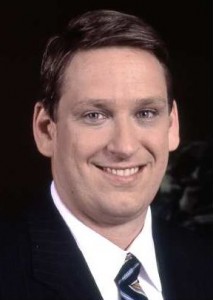
Enter State Senator Tony Strickland.
He penned a largely overlooked Signal LTE [dead link: checked 12 November 2026. The archive holds a copy of this article; it is not yet published.] [Wayback copy, 14 December 2024] last weekend in support of his introduction of SB 49 [Wayback copy, 30 January 2011] late last year–legislation designed to outlaw city ‘crash tax’ ordinances. Mr. Strickland represents about 27% of Santa Clarita residents, portions of Ventura County and nearly all of Santa Barbara County.
The VeCo Star featured this quote from their report filed Monday [Wayback copy, 26 January 2011]:
“It’s nothing more than a double tax,” Strickland said, noting that local agencies are always eager to have out-of-towners visit or shop in their jurisdictions so that they can collect sales taxes and hotel bed taxes.
Strickland said such fees seem particularly onerous in suburban, commuter communities …. “In my district, most residents don’t work in the city they live in,” he said.
And a local TV station in Santa Barbara aired this report [Wayback copy, 29 January 2011] Tuesday:
While I wasn’t a fan of his failed “Tenther” attempt [archived copy] last year, this is a bill that makes a great deal of sense.
For one, assessing fault in accidents can be very difficult. The practice would unfairly incentivize cities to place fault on non-residents. Then there’s the question of insurance – would this tax be covered by insurers? If so, wouldn’t that raise the cost of auto insurance?
And Mr. Strickland’s point above is well-taken: if we aligned all the costs with revenues incurred by citizens based on their residence, then sales tax oughtta get credited back too.
Let’s hope the bill gets a hearing soon.
Comments
26 · as published