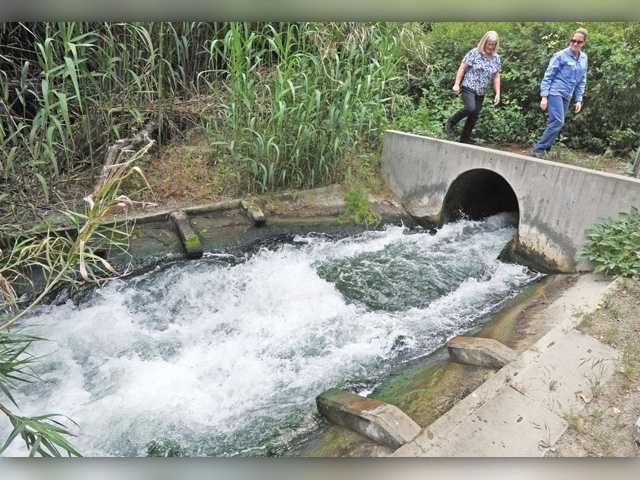
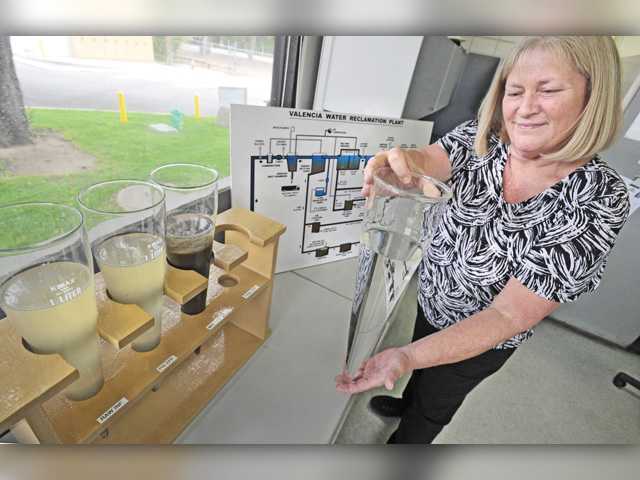
Federal environmental regulators have approved a plan that will trim the cost of chloride reduction in the Santa Clara River — and allow residents to dodge the bullet of fines attached to their sewer bills, at least for now.
The Environmental Protection Agency agreed to a proposal that will save Santa Clarita Valley Sanitation District customers about $11 million in the cost of wastewater chloride reduction. The Santa Clarita Valley discharges its treated wastewater into the river.
The decision also allows the district to avoid another round of fines for failing to meet deadlines for chloride reduction.
State water regulators have demanded the SCV Sanitation District reduce chloride, a component of common table salt, in its treated wastewater. That water flows to farmers in Ventura County who claim current chloride levels damage their crops.
The district came up with a plan for chloride reduction last October, but it required a deadline extension of four years to make the complicated system work.
The EPA recently OK’d that extension, which was previously approved by state water regulators, and allowed the Sanitation District to average chloride levels in discharged water both between its two treatment plants and over time, meaning the cost of the chloride-reducing treatment facility will be less.
The approved four-year extension will also prevent steep and recurring state penalties and fines that Santa Clarita Valley property owners would have had to pay, Sanitation District officials said in a statement. Without it, residents would otherwise have been in constant violation of the state’s chloride limit.
“Our deadline for chloride compliance was set to expire on May 4,” Sanitation District spokesman Steve Highter said. Without the EPA’s approval, “we would have been out of compliance and subject to fines.”
The cost of the chloride-reduction plant will still be high; estimates in November put the price tag at about $130 million. The cost would be borne by Santa Clarita Valley residents on the region’s sewer system.
The EPA’s approval was the last one needed for the chloride-reduction plan, Highter said. Still to be decided is how brine removed from the water will be disposed of.
A plan to inject it deep under ground on the West Side of the valley was rejected by the Sanitation District board earlier this year following vehement protests from Stevenson Ranch and Westridge residents.
661-287-557
on Twitter @jamesarthurholt