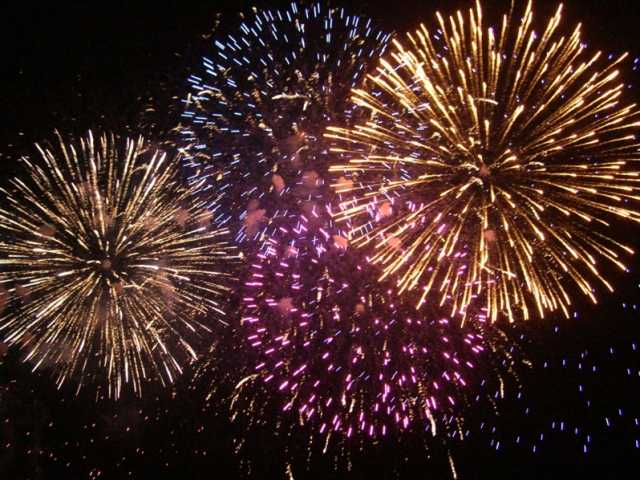
Independence Day can be a nightmare for some veterans who suffer from post traumatic stress disorder, as the sound of fireworks, similar to the sound of gunfire or bombs, can trigger an episode of the mental health condition.
“Fireworks can affect veterans with PTSD significantly,” said Santa Clarita Valley therapist Bree Miller, who has 10 years’ experience dealing with mood disorders and behavioral issues.
“Due to the symptomatology of PTSD, a veteran can feel like they are immediately transported back in time to their experiences in combat,” Miller said.
“Even if they can rationally understand that it’s a firework, their body experiences it as the real thing. Bodily sensations are not as easy to turn off.”
Those bodily sensations can include extreme anxiety, panic attacks, a racing heart or even vividly re-experiencing an event from one’s past, she said.
The nonprofit organization Military with PTSD presents a solution to the issue with lawn signs that read “Combat Veteran Lives Here, Please Be Courteous With Fireworks.”
The signs are provided free of charge to veterans at militarywithptsd.org. A FAQ page explains: “The intent of the signs has never been to stop fireworks. That is not what this program is about. Veterans who served this country do not want to stop fireworks or take away anyone’s freedom.”
Common courtesy can go a long way toward dealing with the issue of personal rights versus neighborliness, Miller said.
“It’s important to know your surroundings and neighbors,” she said. “Be mindful of who might be a veteran and consider how they might feel with fireworks. It doesn’t hurt to ask.”
According to a study by the National Center for PTSD, about 19 percent of U.S. veterans who served in Vietnam, the Gulf War, and Afghanistan suffer post-traumatic stress disorder in a given year.