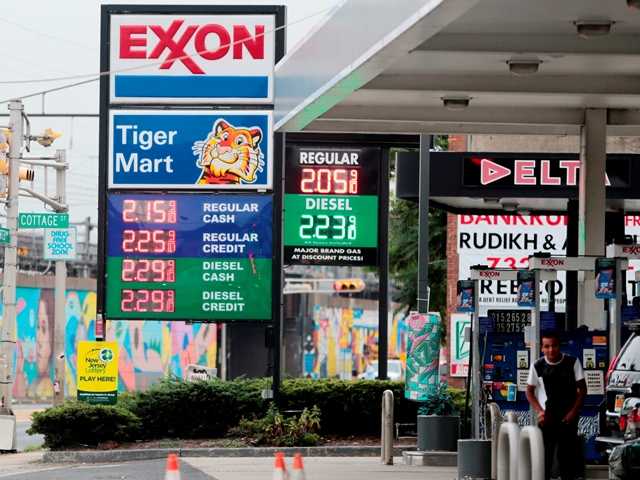
A study of additives in gasoline has shown that motorists may be clogging their car’s engines by buying the wrong brands, according to the Automobile Club Association.
Gas sold at some non-brand stations may leave deposits on the intake valves reducing a car’s mileage, increasing emissions and hurting performance of the car – especially on newer models.
While lower-priced gasolines may save money for consumers who are pinching pennies.
In the long run, however, those car owners could be setting themselves up for more repairs down the road by creating a carbon deposit buildup in their engines.
Car owners can undo some of the damage by switching to a better gasoline for a few thousand miles, said Greg Brannon, AAA’s director of engineering.
Since 1996, all gasolines are required to have some engine-cleaning additives, but many major brands mix gas with extra detergents.
Tests determined that cheaper gasolines can leave 19 times more deposits on the engine intake valves.
Intake valves move air in and out of the engine making the car more efficient and giving the engine more power. The dirtier the valves are, the lesser performance.
Concerned that some gasolines were too weak to prevent buildup on the valves, thus affecting performance, General Motors, Honda, Toyota, BMW, Fiat Chrysler, Mercedes-Benz and Volkswagen sponsored a program to promote cleaner fuels.
GM’s Center for Quality Assurance runs the program and charges stations a fee to use their Top-Tier seal of approval.
A list of those gasoline retailers who have earned the seal can be found at: http://www.toptiergas.com/retailers/