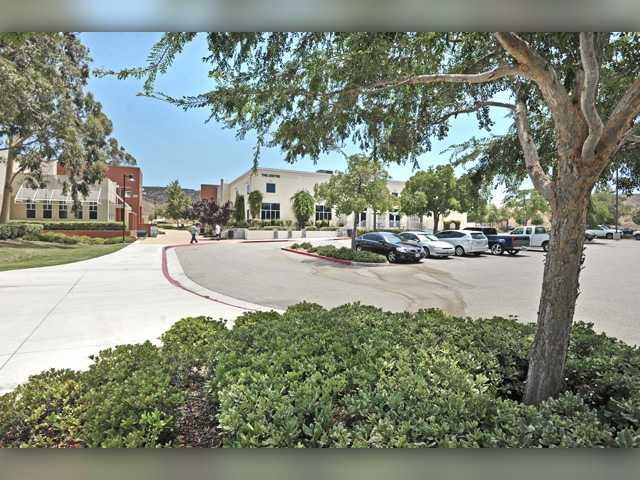
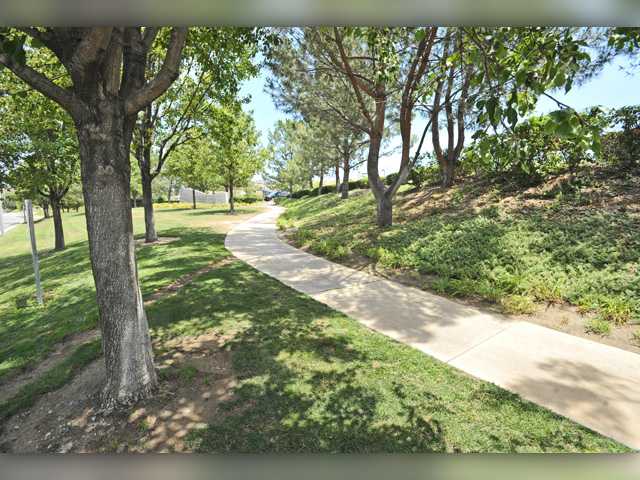
A measure on November’s ballot will ask Los Angeles County voters to approve a property tax hike that would bring in $94.5 million annually for parks maintenance, upgrading and construction.
Proponents say the tax, if approved, would cost the average county taxpayer $22.50 per year and fund more than $21.5 billion of maintenance and projects countywide. In the Santa Clarita Valley, more than $6.1 billion of projects and maintenance needs were identified to benefit from the tax.
However, the tax would not be the sole source of funding.
A city of Santa Clarita-owned park can receive funding from the city’s general fund, from developer funds and from grants, said parks Director Rick Gould. Similarly, a county-owned park can also receive funding from the county’s general fund, developer funds and grants.
A list of 10 top priorities was created for every city, but it is up to the individual cities to make a plan to move each project forward.
Within the Santa Clarita Valley, the project with the highest cost, at $27.4 million, is the Santa Clarita Sports Complex. The next phase of the sports complex project includes general infrastructure improvements including the completion of the perimeter road, parking lots, restrooms, walkways, security lighting, irrigation, landscaping, signage, fencing and gates.
Additionally, the construction of a play area and two lighted sports fields are prioritized for the Sports Complex.
Funds from the parks tax would help accelerate the project, said Gould. A percentage of money from the tax would be returned to cities and the county for park improvements.
The majority of projects being planned for the Santa Clarita Valley include new parks, some with a dog park, community centers or multi-purpose fields.
Total costs for the Santa Clarita Valley project list, excluding maintenance, is approximately $182 million. Maintenance for SCV parks is expected to cost about $6 billion.
Both the county and the city now receive funding through Proposition A, which provides about $100 million a year for parks, said Norma Garcia, deputy director with the Los Angeles County Department of Parks and Recreation.
“You can see Proposition A has been a large part of funding for capital improvements and maintenance,” she said.
The proposed tax measure would take the place of Proposition A, which expires in 2019.
“Without that source of funding, I think more jurisdictions would have a hard time funding and even maintaining their parks,” Garcia said.