Editor's note: This is an expanded version of the column that appeared in The Signal's Escape entertainment section Friday, Aug. 6, 2010.
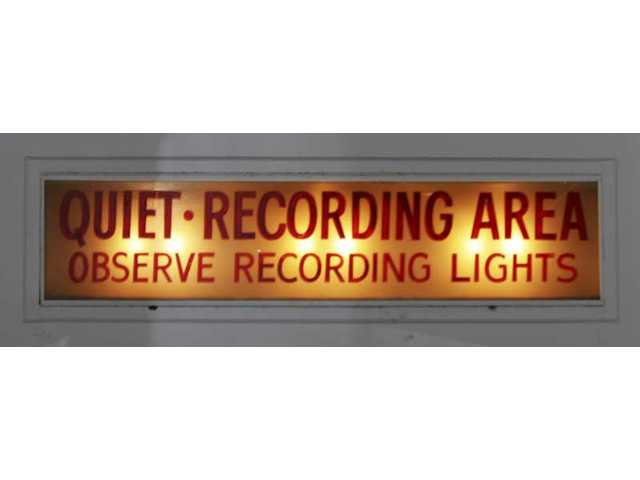
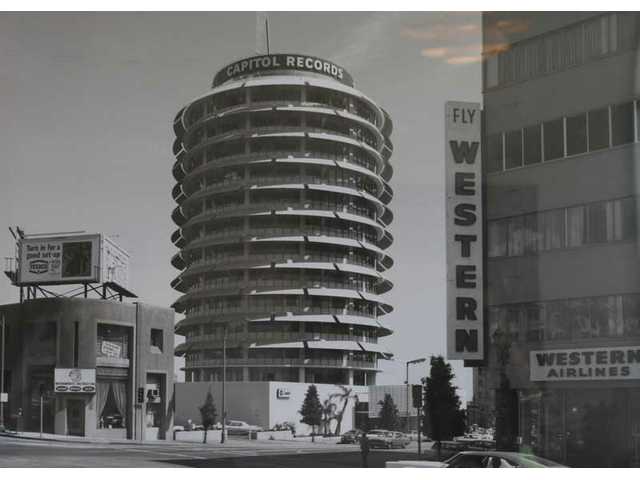
Capitol Recording Studios on the ground floor of the iconic round Capitol Records Tower on Vine Street in Hollywood scheduled no sessions on Sunday, July 25, instead opening its doors for ultra-rare public tours, and we got to tag along.
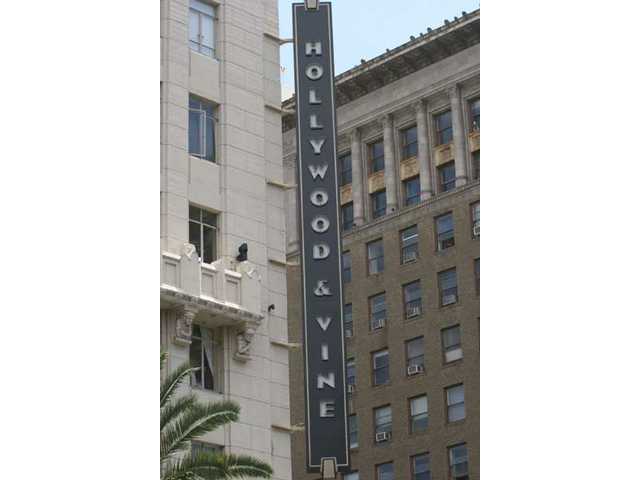
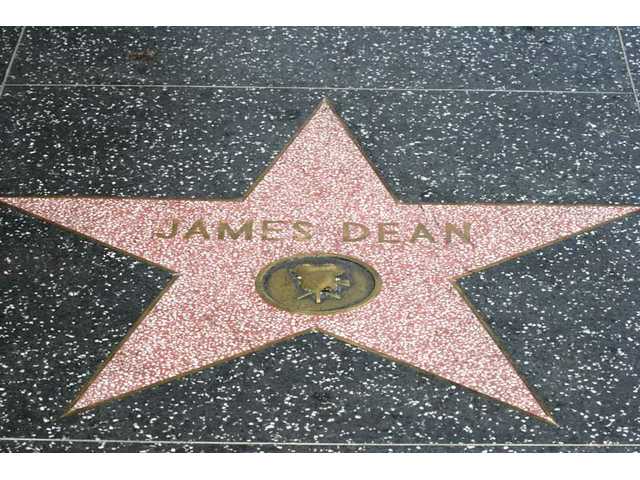
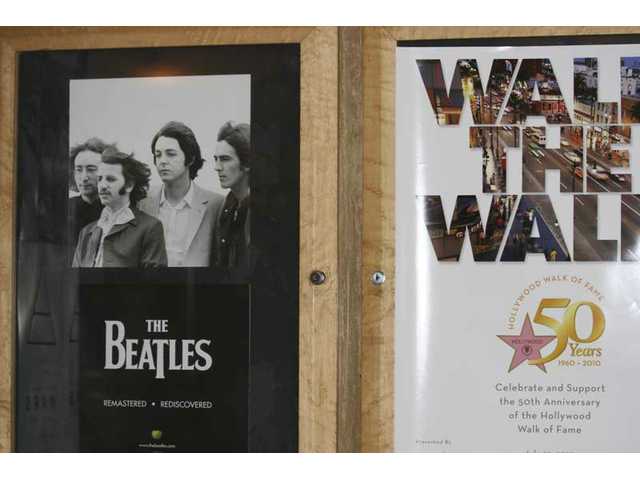
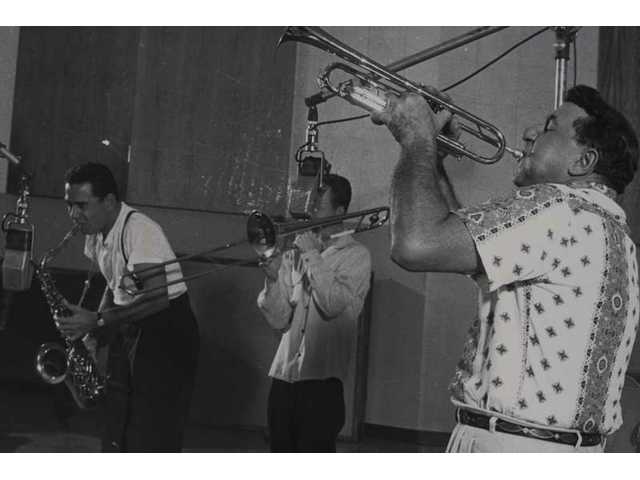
Tours of the historic studios were part of the day-long "Walk the Walk" celebration marking the Hollywood Walk of Fame's 50th anniversary, which kicked off in the morning when legendary bandleader, composer, trumpeter and Capitol artist Louis Prima was posthumously honored with a star on the Hollywood Walk of Fame, outside the Ricardo Montalban Theater on Vine Street, just south of the famed intersection of Hollywood and Vine. (See my Escape " All Access " column last week for coverage.)
While preparing my recent two-part profile of legendary Capitol engineer/producer John Palladino, now 90, for The Signal's Senior pages ( Part 1 and Part 2 ), I connected with Greg Parkin, Capitol Studios' thirty-something senior director of operations.
Parkin provided several photos from the studio's archives, hit me up for Palladino's phone number saying he'd been trying to find him, and invited me to visit the studio on "Walk the Walk" day.
As an ex-Capitol exec, revisiting the Tower was a major flashback for me. In fall 1977, I started as editorial manager in the label's Press & Artist Relations Department up on the 9th floor, working with Bruce Garfield and Kyo Sharee and our Creative Services VP, Dan Davis.
For most of the next three years, between writing and editing tons of label copy, artist biographies, press releases, newsletters, photo captions and assorted sordid marketing hype, I spent many spare hours downstairs as a fly on the wall during sessions in Studios A and B whenever the staff and artists would let me. Which was never often enough.
More often, I could hang ns in the adjacent mastering room with ace Wally Traugott, who enjoyed my company because I never spoke unless he spoke to me, and in the second-floor dubbing studios, where weeks before street date I'd get sneak previews of albums like The Rolling Stones' "Some Girls" as engineers duplicated submasters to be sent abroad.
At the time, Palladino was a senior engineer and producer of legendary stature, and tolerated my youthful curiousity, usually.
A few months shy of three years later, I moved on to Elektra/Asylum Records as editorial director of the Media Relations crew wrangled by Bryn Bridenthal, five years later, in 1982, Palladino retired from Capitol after 34 years with the studio and the label.
The next time I was in the Tower was spring 1991, when I met with Wayne Watkins, the catalog director. He mentioned in passing that he was having some difficulty finding a writer for a boxed set of tracks recorded by Les Paul for Capitol.
You're kidding, I said. Look no further. I helped Watkins out with that problem by hanging out with Les at his studio and Fat Tuesday's, writing the book, and consulting with the art department on the book layout for "The Legend & The Legacy" box, released in October '91 (and, unfortunately, out of print).
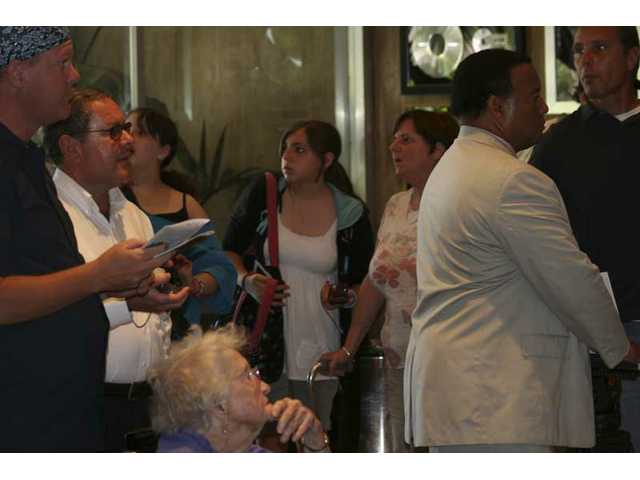
Now, three decades down the road, on "Walk the Walk" Sunday 2010 in Hollywood, photographer Peter Sherman (a close friend since my Capitol years) and I joined the hundreds of people in front of the Tower to take the studio tour. Fortunately, we were expected, so joined the very next group to go inside.
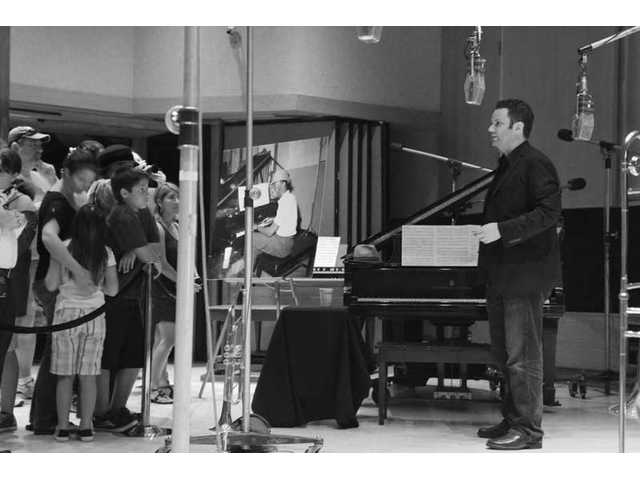
Our gang of about 60-70 music fans walked down that hallowed hallway from the lobby to the studios, veering right past the entrance to Studio A and into Studio B, where we connected with Parkin.
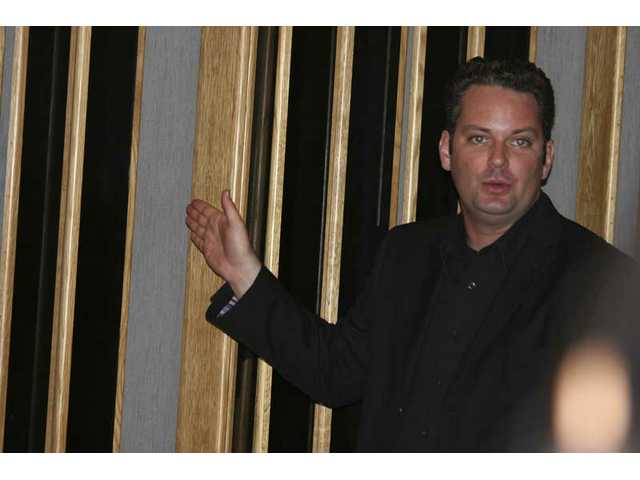
He was standing out on the studio floor, behind a velvet rope with a staff engineer, welcoming the group as it filed into the room. We quickly exchanged hellos on the side and vows to talk later. "We're really looking forward to seeing John," he said.
Starting the presentation, Parkin recounted a little studio history and showed off the room's movable sound baffles as the engineer cued up -- what else -- a classic Louis Prima track to demonstrate multi-track recording.
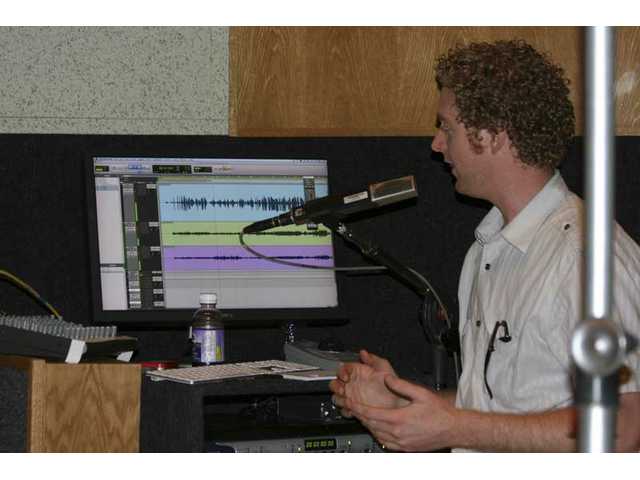
Using the faders or volume controls on a small portable digital mixing board, the techie isolated the different vocal and instrumental tracks, and then mixed them back together. Old stuff for us, maybe, but the civilians loved it.
Next, the engineer showed off Capitol's signature live echo effect, created when engineers channel sound through the cavernous echo chamber built beneath the Tower's parking lot.
Moving next door into Studio A, the group also dug the playback of a few audio clips from The Beatles' historic "Help!" press conference in 1965.
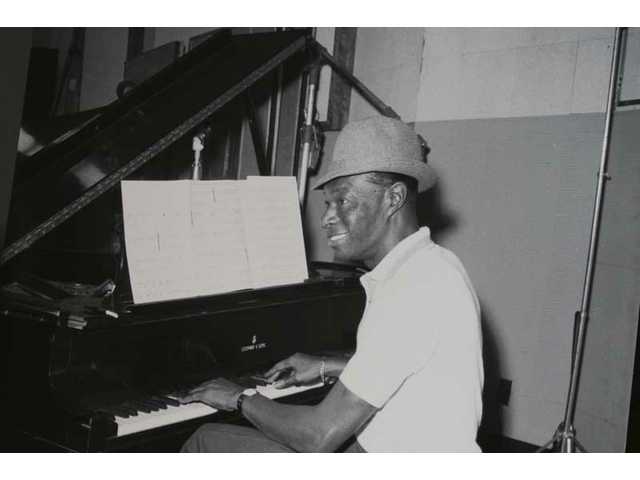
Several years before that, Nat King Cole and Frank Sinatra and their orchestras were recording many great tracks in the same room, so Parkin and crew had displays set up there to illustrate a few stories behind those sessions.
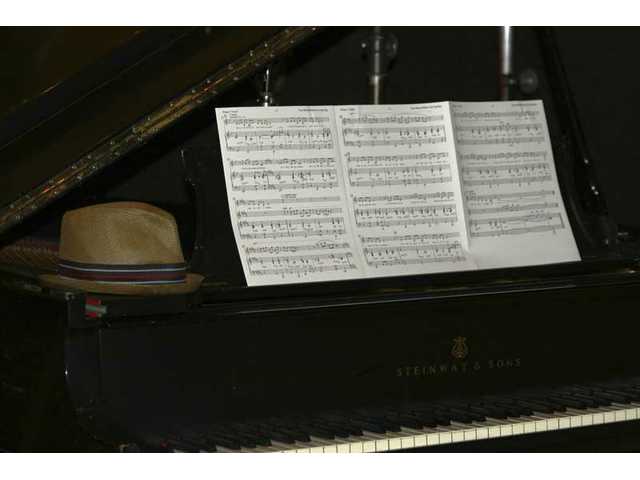
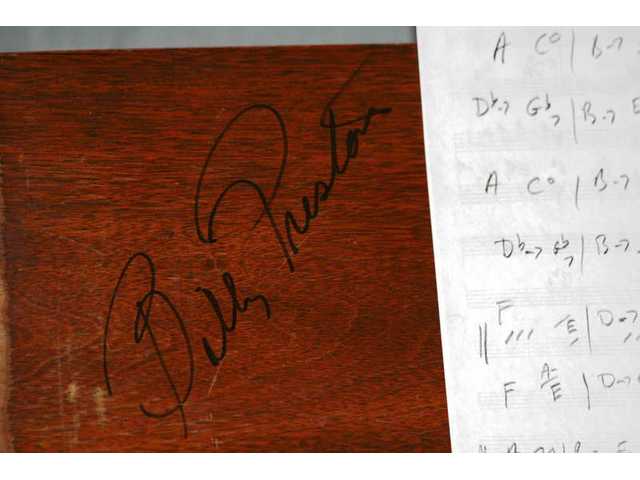
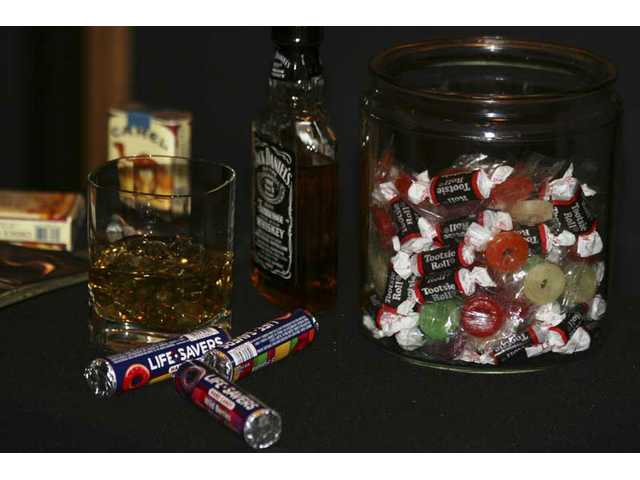
Along with poster-sized archival photos of Prima, Cole and The Beatles at work (or play) in "A," we got to see Cole's piano adorned with one of his hats; Sinatra's vocal booth, stocked as he would have had it with Life Savers, Tootsie Rolls, a bottle of Jack Daniel's and, incredibly, unfiltered Camels; and the house Hammond B-3 organ, autographed by fifth Beatle Billy Preston after a session there.
Now, all that stuff was cool.
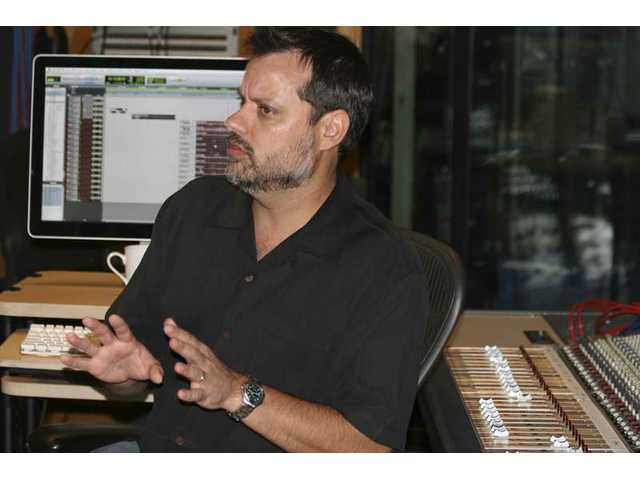
In the Studio A control booth behind the glass, Capitol staff engineer Steve Genewick fielded a few questions from the group as he sat behind the room's big analog mixing desk.
He noted that the studio is both fully analog and completely digital, and that yes, they still actually use tape upon occasion.
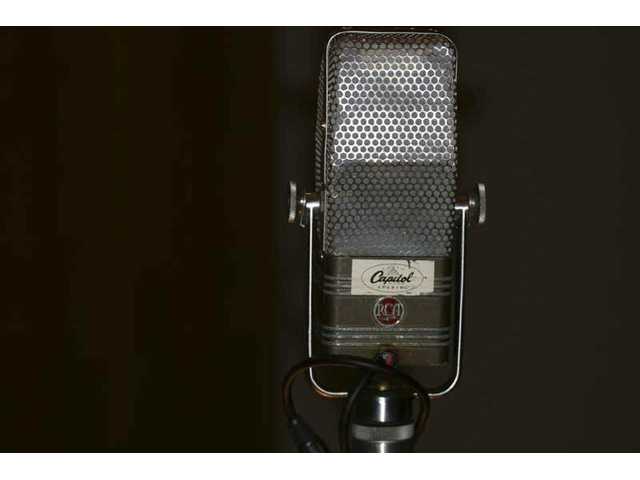
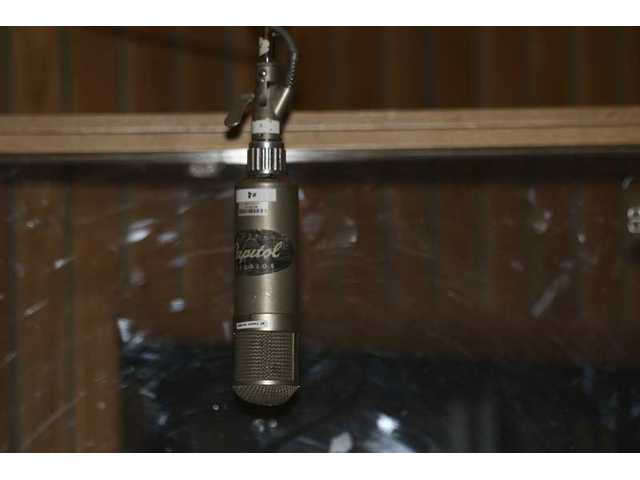
"I use technology in here that's 50 years old, and technology that's right now," Genewick said, pointing to some of the ancient vocal microphones out on the floor and the ProTools digital audio workstation just behind him, respectively.
Parkin later estimated around 1,200 people filed through the studios in groups of 60-70.
"It was touching to see the number and enthusiasm of people of all ages who attended that once-in-a-lifetime event," he said.
Speaking of which, on Tuesday, I get to be a fly on the wall inside Capitol Studios again, this time chauffeuring John Palladino on his first visit back there in years. Parkin wrote in an e-mail that all the Capitol engineers "revere him."
"Greg said something about a roundtable discussion, but I really have no idea what to expect," Palladino told me later, grinning.
You couldn't buy that kind of twinkle in the eye.
Find out what happens on Palladino and Peeples' little magical mystery nostalgia trip in my next "All Access" column two weeks from now.
A veteran music journalist, Peeples is also a Grammy-nominated record producer, an award-winning radio producer and editor of the award-winning Signal website. His column reflects his own views and not necessarily anyone else's, including The Signal's.