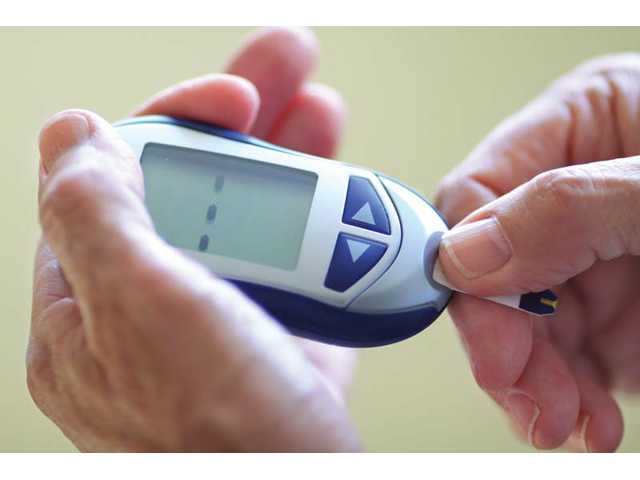
Nearly 8 percent of the United States population, or 18.1 million people, have diabetes. In 1980, there were only 5.6 million people diagnosed with the disease.
“Pre-diabetes and diabetes are becoming more prevalent in the population,” said Dr. Michael Garcia, endocrinologist and staff physician at Henry Mayo Newhall Memorial Hospital. “In 2007, there were an estimated 57 million people with pre-diabetes, or having blood-sugar levels higher than normal, but not at the level of diabetes.”
Garcia said that includes children. “Compared to many years ago, children are now less physically active and have a more sedentary lifestyle. Snack foods have high levels of calories,” he said. “The general population is more overweight and obese.”
Cause and effect
Diabetes, according to the American Diabetes Association, is a group of diseases characterized by high blood glucose levels that result from defects in the body’s ability to produce and/or use insulin.
While that might not sound serious in itself, the risks associated with diabetes are. Diabetes is the leading cause of blindness, leg amputations and kidney failure.
It can also lead to neuropathy, bacterial infections of the skin, fungal infections, itching, hearing loss and even heart disease. People with diabetes have a twice the average risk of heart attack or stroke.
Those at greatest risk for diabetes are people with impaired glucose tolerance or impaired fasting glucose, over the age of 45, those who have a family history of diabetes, are overweight, do not exercise regularly and/or have low HDL cholesterol or high triglycerides and blood pressure.
If this description fits you, getting tested for diabetes makes sense.
“The effects of diabetes not only affect a patient’s life, but the treatment of diabetic complications has a very large economic impact on our financial situation,” Garcia said. “It is more cost-effective to prevent or manage diabetes before the complications arise.”
The symptoms
Many people with pre-diabetes are unaware of their condition due to a lack of symptoms, but there are distinct signs for Type 1 diabetes (frequent urination, unusual thirst, extreme hunger, unusual weight loss and extreme fatigue or irritability) and Type 2 diabetes (any Type 1 symptoms, frequent infections, blurred vision, cuts and bruises that are hard to heal, tingling or numbness in the hands and feet, and recurring skin, gum or bladder infections).
Physicality also plays a role. “Type 1 diabetics are usually thin. Their diabetes may not be due to lifestyle choices but rather to the pancreas gland’s inability to produce insulin,” Garcia said. “Type 2 diabetics are generally overweight or obese and sedentary, whose lifestyle choices have had a large impact.”
According to Garcia, diabetes is usually diagnosed by checking the level of blood sugar in patients either in the morning or two hours after a meal. At a recent Newhall Memorial health fair, Garcia tested 90 patients, 25 to 30 of whom were diagnosed with pre-diabetes and three people with severe diabetes.
The subsequent treatment is dependent on the stage of diabetes diagnosed.
“Some people, with weight loss, exercise and better food choices, may be able to control their blood-sugar levels without the need for medications,” he said. “However, other people with the more advanced forms of diabetes will need oral medications and insulation injections.”
In addition to insulin, newer treatments are focused on healing the pancreas.
“Some scientists are trying to create an artificial pancreas, with other scientists attempting to transplant healthy pancreatic cells into patients with diabetes,” Garcia said.
Prevention
As the old saying goes, “An ounce of prevention is worth a pound of cure.”
In the case of diabetes, prevention is surprisingly simple.
“One of the biggest preventatives measures I recommend is regular physical activity. People tend to gloss over the physical component, but physical activity, something as simple as walking, is very effective,” said registered dietitian Laura Crane. “Diabetes and weight are closely tied together. If you can take some preventative steps to control weight, you can prevent diabetes.”
Garcia’s seen evidence of such success with his clients. “I believe the Santa Clarita Valley would have fewer people with diabetes than the general U.S. population because of the active lifestyle that is encouraged by the numerous walking and biking trails, as well as community sports programs,” he said.
Another lifestyle area to consider changing is diet. To avoid diabetes or pre-diabetes, Crane suggested cutting out sodas and sweets, anything that contains a lot of added sugar, which is a carbohydrate.
“Carbohydrates in food are what cause blood sugar to rise. It comes from a lot of places, not just from table sugar, but the sugar in milk,” she said. “A lot of processed foods don’t necessarily affect diabetes. Hot dogs are processed.
However, I would say that highly processed foods made with flour would be something to be careful of.”
Crane promotes a well-balanced diet with plenty of fruits and vegetables, which focuses on whole grains, such as brown rice and whole wheat pastas, to her diabetic clients. “In my experience, I’ve found that you can tell people to limit cakes and cookies, but you can’t tell them never to have bread again,” she said.
For more information on diabetes, visit the American Diabetes Association website at www.diabetes.org .