It’s been a very long time since I attempted to keep a houseplant indoors — something like 25 years. And the reason is I still carry the emotional scars.
Yes, I will always bear a heavy load of guilt and struggle with a debilitating sense of failure regarding the numerous houseplants I have sent to their early ends through neglect and ignorance.
I mean, I couldn’t even keep spider plants alive for long. I think the final chapter in this sad saga came when I was in the last stages of watering a pothos to death — and shorted out the television set in the process.
Cue the clown music.
Since that time only artificial plants have graced my living quarters. But if layers of dust could kill plastic, well, my lethal ways would have continued.
Maybe you have had similar experiences or maybe you’re afraid you will. But know this: With just a little enlightenment and effort, you can surround yourself indoors with green, aesthetically pleasing and soul-nourishing living things.
Sandy Cudmore
“The best way to have success with houseplants is to play by their rules,” said Sandy Cudmore, an advanced California certified nursery professional — and the keeper of the houseplants and more at Green Thumb International in Newhall.
Green Thumb has a nice new greenhouse that is overflowing with healthy houseplants of all shapes, sizes and colors. And Cudmore — who has been working in the nursery business for 13 years — keeps them all singing by following her own advice.
While Cudmore said she tries to carry plants anyone can take care of, there are some types in her greenhouse that are more exotic and better suited to collectors and those with a lot of houseplant-growing experience.
“I’m always happy to explain a plant’s needs,” she added.
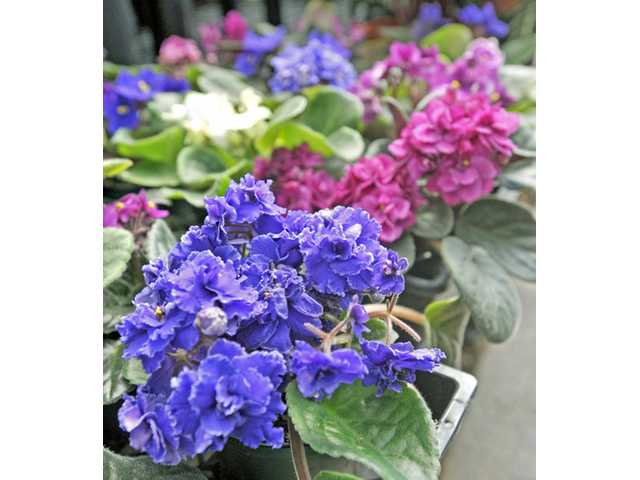
She said she gets new plants in every Wednesday and tries to keep a big variety of African violets, ordering them from four different growers.
“Plants have very different needs for light and water, and even methods of watering,” she emphasized.
So let’s take a look at those differing needs.
Light
Some plants need a lot of light, but Cudmore said “bright light” does not, necessarily, have to be direct sunlight through an open window. “Good fluorescent lighting makes for happy houseplants,” she said (though a few plants do need that direct sunlight).
She said that houseplants that need bright light are African violets, bromeliads, chenille plants, crotons, orchids, ti plants and ficus (weeping fig).
She noted that, while most houseplants prefer at least medium light, some will tolerate low light. She said good choices for areas of your home with low light would be cast iron plant, Chinese evergreen, Dieffenbachia, Dracaena, Homalomena (heart leaf plant), Neanthebella palm, peace lilies, philodendrons, pothos, Sansevieria and zeezee (eternity plant).
Moisture
Cudmore explained that plants that require high humidity will become damaged or even die in drier areas of your home, such as where the drafts from heaters blow. She said such plants include Alocasia, areca palm, baby’s tears, Calathea, chenille plant, coffee plant, crotons, Fittonia (prayer plant), Venus fly traps and many ferns, such as Boston, brake, maidenhair and rabbit’s foot.
General plant care
Watering: Cudmore noted that overwatering is a common mistake people make with houseplants. And one clue to overwatering is the presence of soil gnats. “If you start seeing little gnats, that means you are keeping your soil too wet,” she said.
Fertilizing: Fertilizing really depends on the plant, Cudmore said. In general you fertilize a few times during the growing season, but most plants enjoy a little rest in the winter. African violets need regular feeding and orchids need a feeding every three weeks or so (even though the fertilizer container will say more often). Asking a nursery professional for advice is the best thing to do.
Trimming: Cudmore noted that trimming your houseplants is an important step in their care. “When you trim off brown or yellow leaves,” she said, “not only does the plant look better but it relieves stress on the plant because the plant keeps sending nutrients to a damaged leaf.”
Potting: “Usually, plants don’t need to be repotted immediately after you bring them home from the nursery,” Cudmore said. If you want to put your new plants in decorative containers, put the grower’s container down inside them. When it’s time to water, take the grower’s container out, water, let it drain, and then put it back in the decorative container.
“If you’re seeing a lot of crowded roots or the plant seems to need constant watering, that’s a sign it’s time to repot,” she said.
When you do repot, use a fresh potting soil and go up to a slightly larger pot. “But always make sure there are adequate drain holes in the new pot,” she said.
Tricky plants
“Customers ask, ‘How do I keep this thing alive?’” Cudmore said. And she always tells them, as previously noted, to play by the plant’s rules. But you have to know the rules, and asking a knowledgeable nursery professional is the first step.
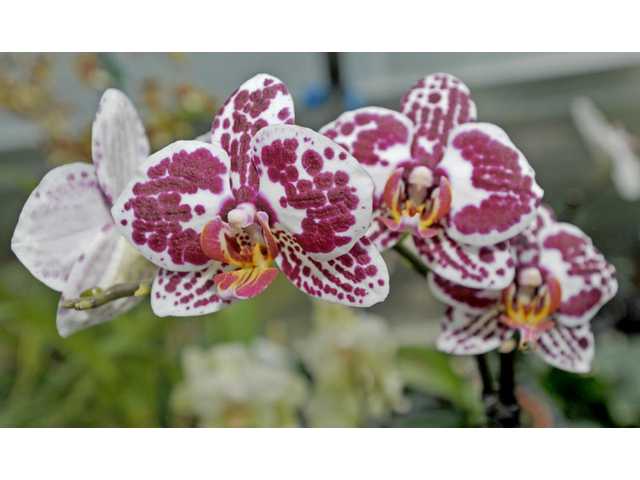
“Orchids, especially Phalaenopsis, also called moth orchids, are frequently given as gifts,” she said. “They need a bright location with humidity, away from heater vents or direct sun.” She added that keeping them close to other plants, such as Boston ferns, or sitting them on or near a saucer of pebbles with water in it, will help. These orchids prefer warm daytime temperatures (but not more than 85 degrees) and cool nighttime temperatures (in the 60s). Water them with a quick shower.
“They don’t want to sit wet,” she said. “And if you repot them, use orchid bark and a pot with excellent drainage.”
Fertilize these orchids with a urea-free orchid fertilizer, and when the flowers dry up and drop off, cut the stem back by a couple of nodes (rings on the stem). The cut should be just above a node.
Cudmore noted that ficus plants are notorious for dropping leaves under any kind of stress. “They are really sensitive to drafts and any changes such as moving to a new location (including coming home from the nursery),” she said. “They will drop their leaves but quickly recover. I warn people, ‘Don’t panic when it drops leaves when you get it home.’”
Cudmore said African violets are happy crowded in their original containers. “Water them from below with tepid water every five to seven days,” she said. “Put a few drops of African violet food in the ‘soaking bowl’ every few weeks. They love fluorescent lighting.”
Fun plants
Cudmore noted several types of plants in her greenhouse that she describes as “fun plants” because they have pretty or unusual looks. These included goldfish plants (Nemantanthus), because the blooms look like goldfish; Senecio rowleyanus (string of pearls), which look like strings of green pearls; Ceropegia woodii (string of hearts), which look like strings of little purple-green hearts; and chenille plants, with fuzzy red flowers that look like chenille fabric.
Easy plants
There are plants that Cudmore would describe as “easy” to care for, and some of these include spider plants, Sansevieria, pothos, Ficus decora (rubber plant) and creeping Charlies.
Plants out of reach
One important consideration, Cudmore noted, is that some plants should be kept out of the reach of pets and small children because of their toxic sap. These include Dieffenbachia, known as the “dumb cane,” Aglaonema (Chinese evergreen), crotons and philodendrons.
“I love the whole nursery,” Cudmore said, “but I really love the houseplants and helping people choose the right ones for their conditions. We want people to be happy with their plants.”
Green Thumb International is located at 23734 Newhall Ave., Newhall, CA 91321. The phone number is (661) 259-1071. Sandy Cudmore will host a free Success with House Plants seminar at Green Thumb on Saturday, July 9 at 10 a.m.