As the world recently watched Lindsey Vonn dominate downhill skiing in Vancouver, many viewers and even commentators exalted the gold medalist's talent to a superhuman quality - far from anything they could ever do.
But not Marisa Watkins.
The only difference Marisa, 16, saw between herself and Vonn was practice time.
"I'd probably be as good as her if I had as much time to practice and prepare," said the Golden Valley High School junior, expressing confidence in herself rather than belittlement toward one of her favorite athletes.
"I have a feeling she probably practices at least five times a week on average," said Marisa, who only gets to see the slopes about five times total each winter season.
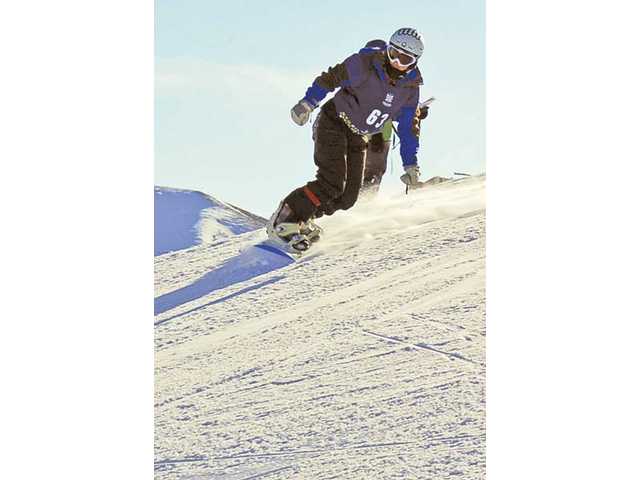
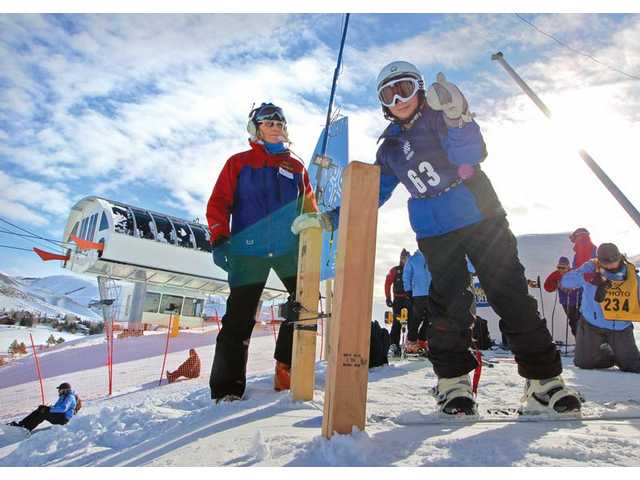
There is one more difference: Marisa suffers from Asperger's syndrome, a high-functioning form of autism spectrum disorder, which affects her social skills and communication. But since she was 3, that hasn't stopped her from plunging off snow tops and taking up new sports challenges as if there was no tomorrow.
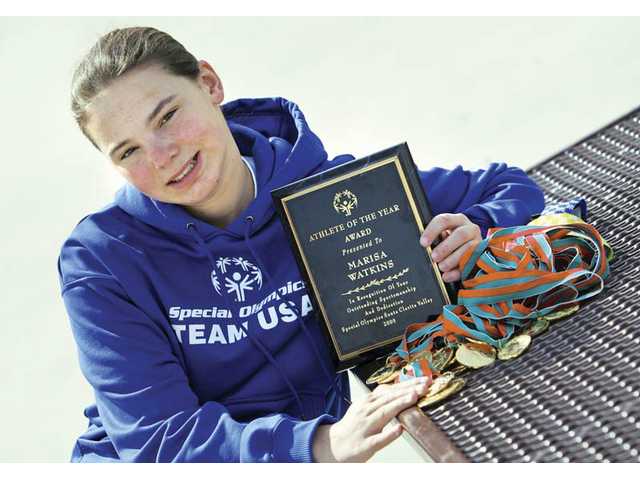
After garnering more than 35 Special Olympics medals - including 22 golds - one might think this would all go to the Valencia teen's head. Far from it.
Special Olympics Santa Clarita Valley on Feb. 20 named Marisa the Athlete of the Year for her dedication and outstanding sportsmanship.
"I try my best in everything I do," Marisa said. "I like to help others that are more severely disabled than I am."
Marisa is volunteering with Special Olympics SCV, teaching swimming lessons to disabled youth. After high school, she hopes to attend college in Utah and obtain a degree in therapeutic recreation.
She eventually wants to teach snowboarding.
"I think about all the services I got when I was little," she said. "I fell in love with people with Down syndrome and more severe disabilities and I just want to help them as well," she said.
Marisa, who is enrolled in Golden Valley's Yes I Can program for students with and without disabilities, is inspiring to those around her, said Golden Valley teacher Bret Lieberman.
"I never hear her say ‘I can't do that,'" he said. "She's not a selfish teenager. She's always looking out and advocating for others above herself."
Lieberman said Marisa started an "‘R' word pledge" in her class, asking people to sign a petition pledging that they would not use the word "retarded" on campus or at home.
"People tell me I have a heart of gold," she said. "I just accept people who are different."
Marisa competes in track, swimming, snowboarding, softball and soccer. But it's still not enough.
This winter season she strapped on some skis for the first time since she was 5. After her first run, she waited for a half-hour as her mother and sister made their way down the slope.
"I'd rather put myself in challenging situations so when I learn and am on my own, I can become as independent as I possibly can," she said. "I don't have a fear of going fast."
While Marisa's disorder doesn't keep her from conquering new athletic feats, it does somewhat inhibit her ability to celebrate after an exciting victory.
"Socially, I have trouble sometimes in overstimulating situations in crowds I get frustrated," she said. "I basically just deal with it."
In addition to medications, listening to Journey or Green Day helps her deal once she gets to the bottom of the slopes, she said.
Watching Olympians like Vonn will make her stronger in her revived skiing adventures. "I watched how she goes down on the (giant) slalom so I can get a comparison of what I can do," Marisa said.